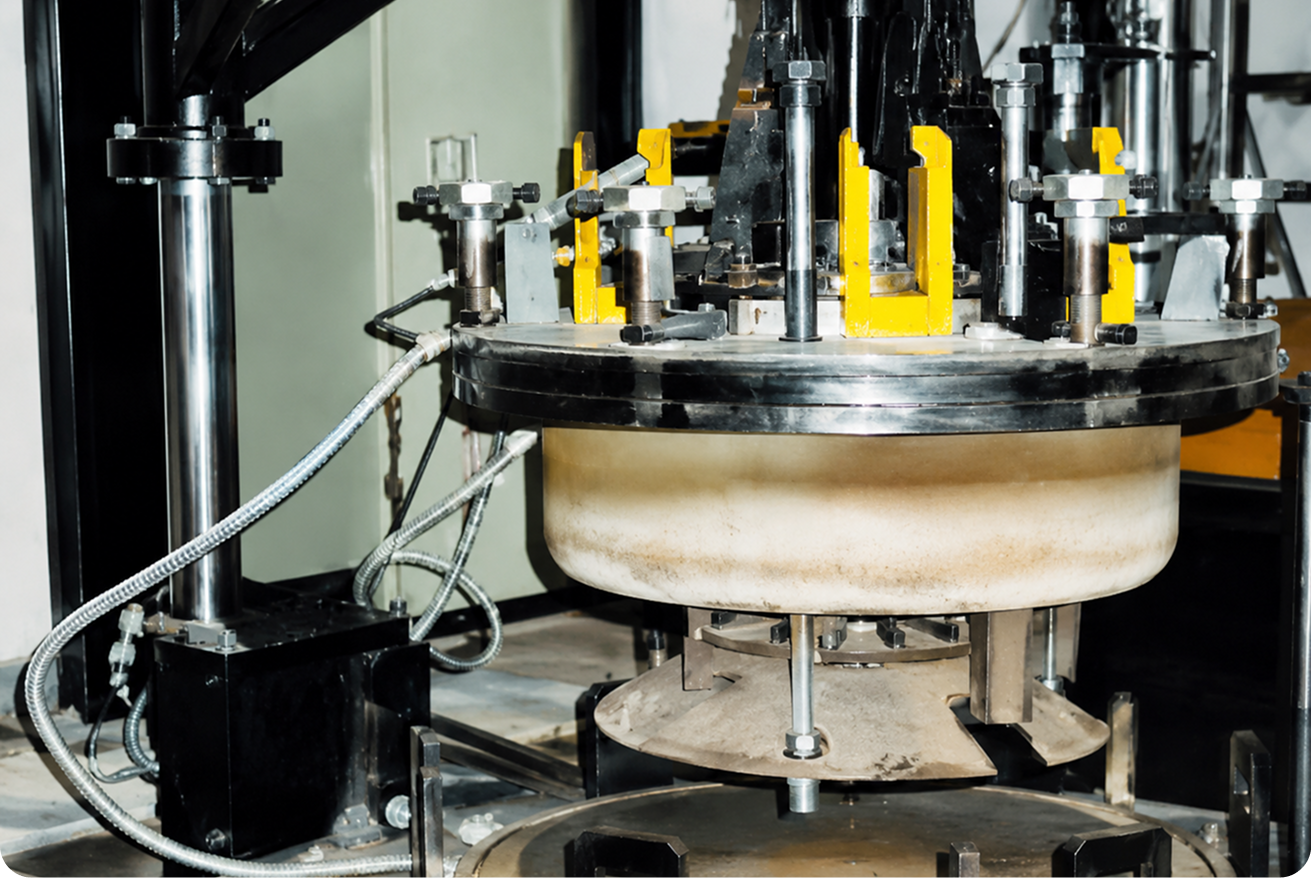
Tempering
Tempering
Precise Hardness Tuning & Brittleness Elimination
Carried out immediately following hardening, tempering heats the martensitic steel to a predetermined temperature (150°C - 650°C) to relieve quench stresses, transform retained austenite, and establish the desired balance of hardness, ductility, and fracture toughness.
Key Specifications
Transforming Brittle Martensite into Rugged Structural Toughness
As-quenched steel is too brittle for real-world shock and impact. Tempering safely converts it into tempered martensite, unlocking optimum impact resistance and fatigue life.
Tuned For Every Hardness Target
From spring-grade elasticity to ultra-hard metal cutting tools.
Cold Work & Hot Work Tooling
Multiple temper cycles for D2, H11, and H13 to prevent catastrophic chipping.
Leaf & Helical Springs
Medium-temperature tempering for maximum elastic recovery and fatigue limit.
Structural Transmission Shafts
High-temperature tempering for optimum yield strength and elongation.
High-Velocity Impact Tools
Pneumatic chisels, jackhammer bits, and impact socket wrenches.
NABL Verified Hardness Range Guarantee
Tight ±1 HRC tolerance control across entire batches verified by ISO/IEC 17025 accredited laboratory test reports.
Other Heat Treatment Services
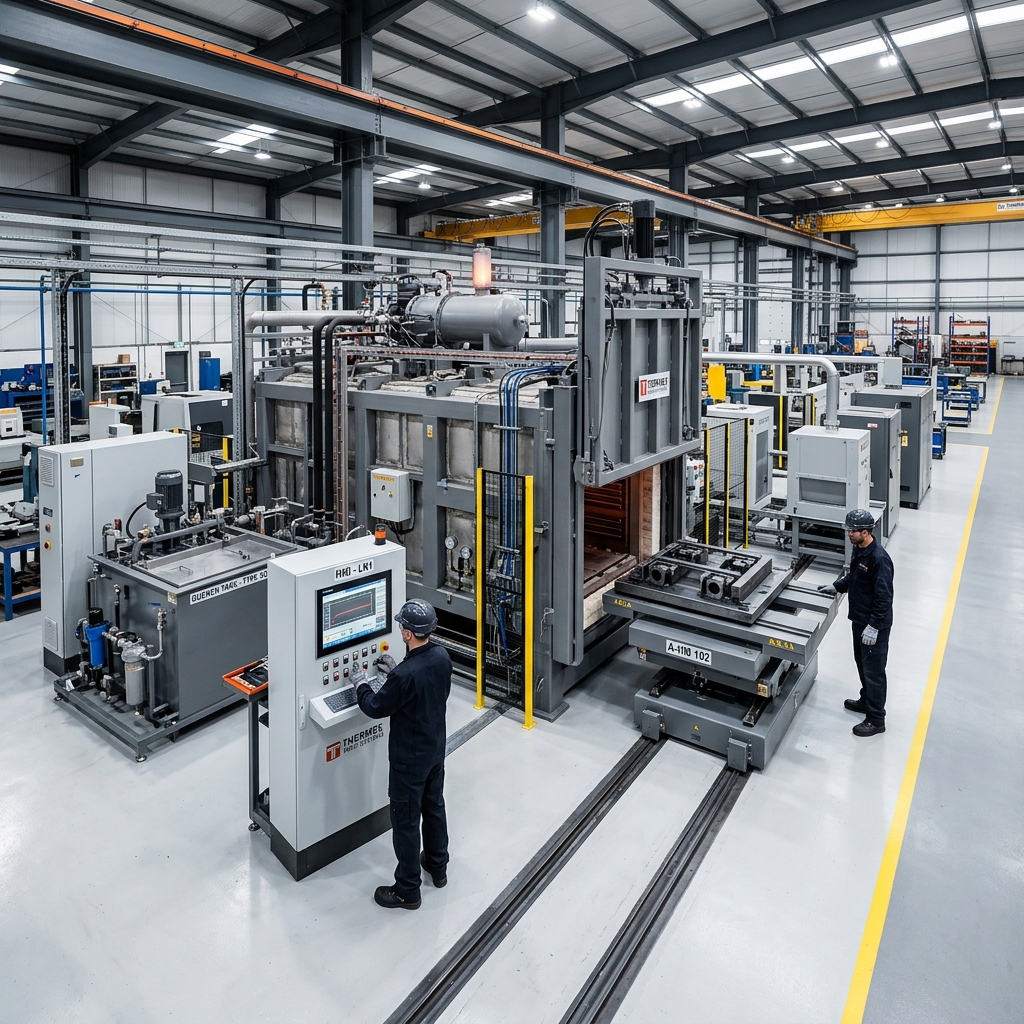
Vacuum Hardening
Delivers bright, oxidation-free hardening with minimal distortion.
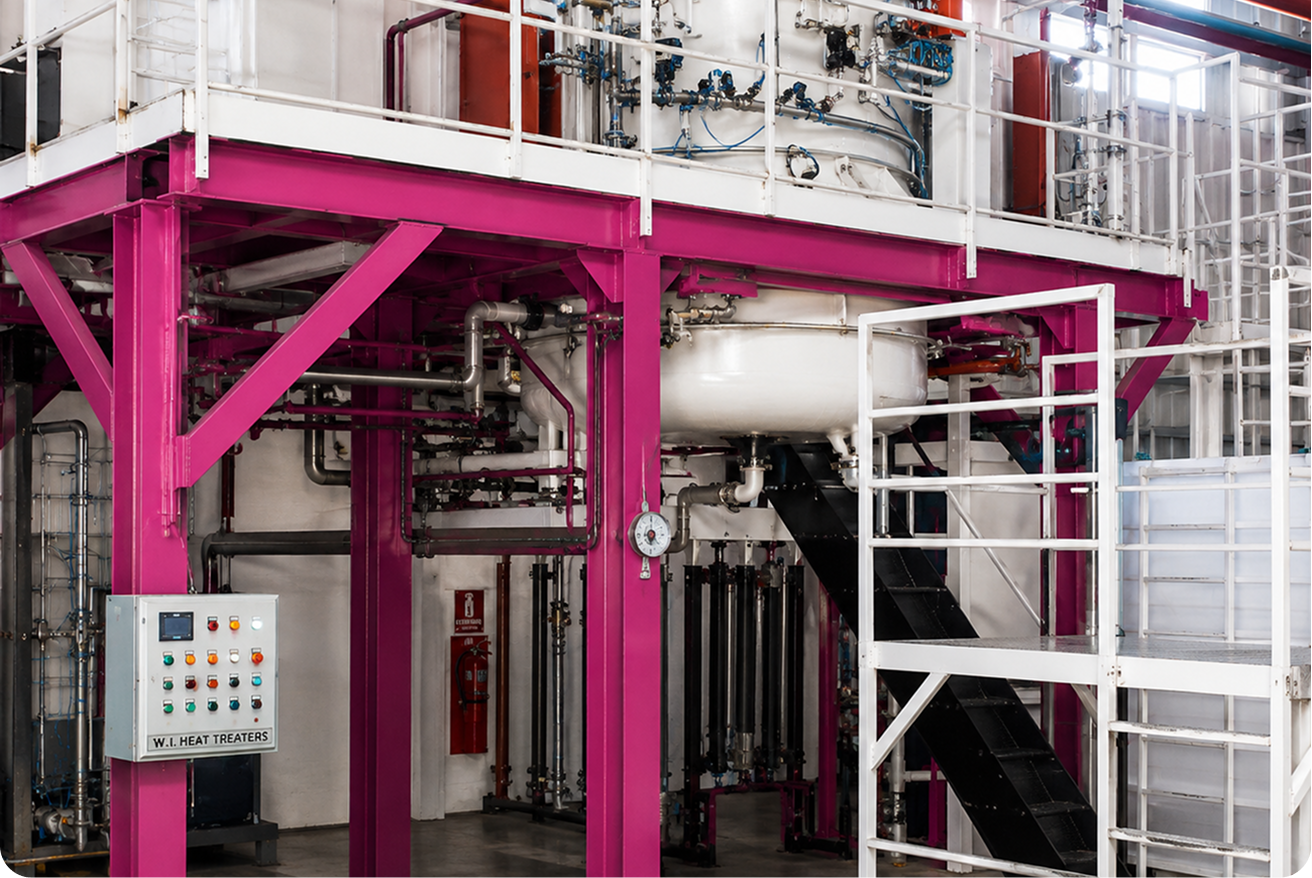
Gas Carburising
Enhances surface hardness while maintaining a tough core for improved durability.
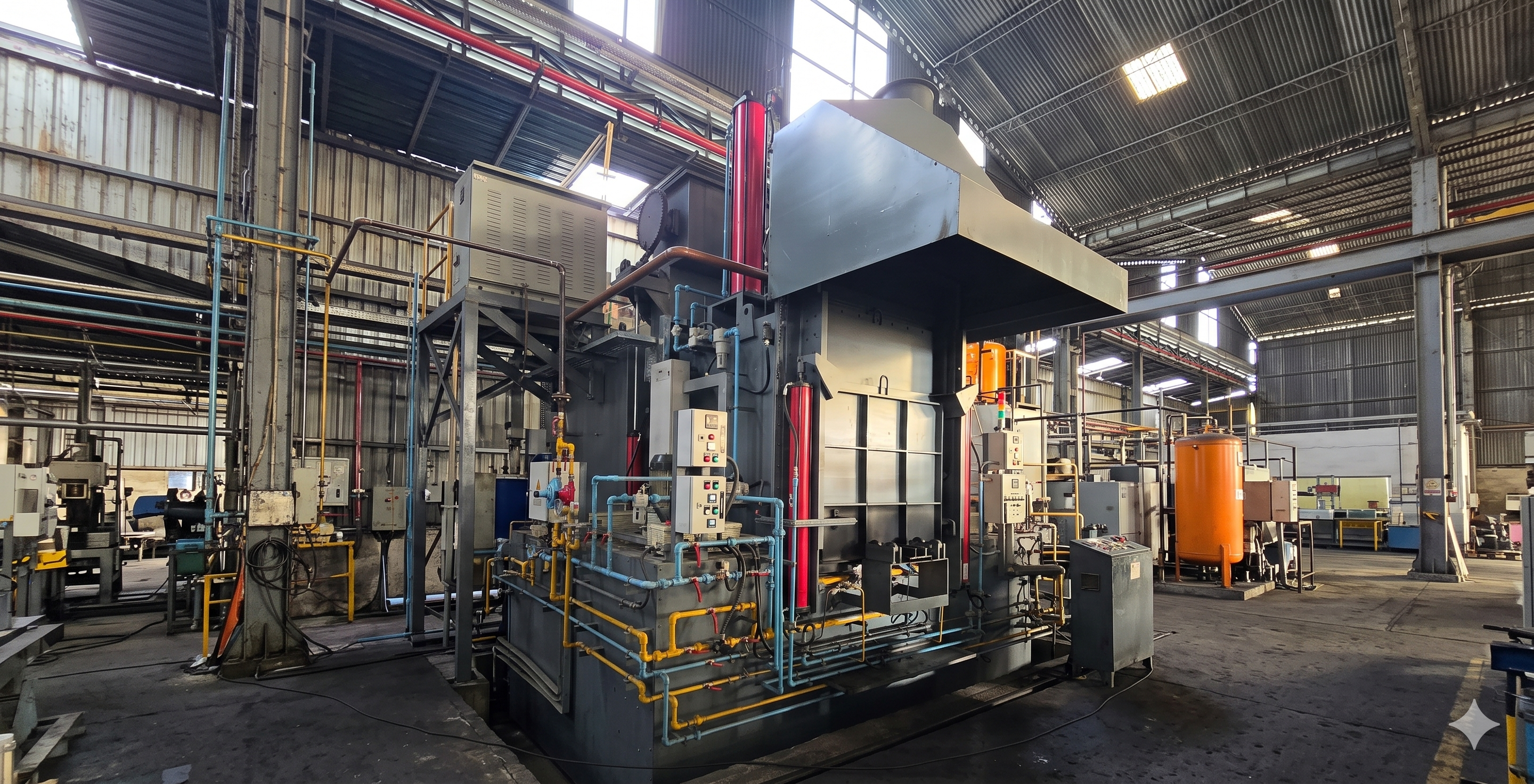
Gas Nitriding
Produces a hard, wear-resistant surface without compromising core strength.